6 Minute English
medium level6 Minute English / Is rejection good for us?

Transcript
Note: This is a transcript of a spoken conversation and is not a word-for-word script.
Note: This is not a word-for-word transcript.
Hello and welcome to 6 Minute English from BBC Learning English. I'm Georgie. NeilAnd I'm Neil. Don't forget you can find vocabulary, definitions and a worksheet for free on our website, bbclearningenglish.com.
So Neil, today we're talking about rejection. So, rejection means saying no to someone or refusing to accept their idea or suggestion. Neil, how do you feel about rejection? NeilWell, nobody likes rejection. But I think as you get older, you get used to it. And probably it's quite a good thing to experience rejection, even if it doesn't feel nice. GeorgieYeah, I agree. We can't always get what we want, can we? NeilWe can't, no. In this podcast, we'll be learning about a new internet trend called rejection therapy and how people are using it to help them to be more confident. OK. Let's start with our quiz question, Georgie. Lots of famous people have faced rejection in their lives before they became successful, but which of these things did not happen to the animator Walt Disney before he became successful? Was it: a) he lost his job as an artist,b) his first business ran out of money, orc) his first full length film was a failure? GeorgieI've got no idea, but I'm going to go with a) he lost his job as an artist.NeilOK. Well, we'll find out the answer at the end of the programme. GeorgieOK Neil. So, most people don't like being rejected, but one thing to try might be something called rejection therapy. It's a social media trend where people record themselves talking to strangers and sometimes being rejected. NeilOK. That sounds quite interesting, but let's find out how it works in practice. Hannah Gelbart, host of the BBC World Service podcast What in the World, had a go at the trend. Let's see how she got on. Hannah GelbartHey, can I come sit down at your table? StrangerYeah. Hannah GelbartHey, how's it going? StrangerGood, thank you. Hannah GelbartHow's your day gone? Good afternoon. How are you doing? Can I drive your cab? Can I? Can I get behind the wheel? Cab DriverDon't be silly! Hannah GelbartDon't be silly...! Coming somewhere else to try and face my fears... maybe do a bit of shopping. I was wondering, can I have a nap in one of these beds? Can I just try it out? Wow I didn't expect that one to be a yes! GeorgieWell, it seems like people were pretty nice to Hannah in those examples. NeilYes. And she talks with psychologist Claudia Hammond about how she felt during the experiment. Hannah GelbartAnd actually, walking up to the first person, I felt my adrenaline really, really spiking. I'm not a socially anxious person I think I'm really confident. But that first thing really scared me. And once I'd done one, the second one came easier and the third one came even easier. And you know, by the fourth time I didn't even mind it whether they said yes or no. GeorgieHannah says that when she walked up to the first stranger in the video, she felt her adrenaline spiking. If something spikes, it increases sharply. NeilHannah is not generally a socially anxious person. Someone who is socially anxious is nervous or worried about speaking to other people. GeorgieEach time Hannah tried to speak to a new person, she says, it came easier. Come easier is an informal way to say something is easier to achieve. NeilNow, this social media trend is called rejection therapy, but it's not a proper form of therapy. It hasn't been tested. GeorgieAnd there are some criticisms of the videos because they involve filming your interactions with strangers, which people might not want. NeilBut people who post the videos say they boost their confidence. So, why do people want to ask for rejection? GeorgiePsychologist Claudia Hammond has some ideas, which she shared with Hannah on the BBC World Service podcast What in the World. Claudia HammondWhat we do know is that there is an increase in perfectionism. People are more worried now, younger people, about how other people are judging them. And so, I wonder whether that might make people more shy of speaking to strangers worried that the people will, you know, not appraise them in a good way, and so doing something like this to try to counter that might feel like a positive step to people, that they're trying to do something. Also, they're fun to watch. NeilClaudia says there's an increase in perfectionism among young people. Perfectionism is the feeling that everything you do needs to be perfect. GeorgieYoung people are also worried about how people will appraise them, which means judge them. NeilDeliberately looking for rejection might be an extreme way to become more confident, but it can lead to surprising discoveries. GeorgieYes, and Hannah found that most strangers she spoke to were friendly and happy to help, so she didn't really experience rejection much at all. NeilOK. Georgie, I think it's time now for the answer to my quiz question. I asked you which rejection Walt Disney didn't experience before becoming successful? GeorgieYes, and I went for a) I don't think he lost his job as an artist. NeilWell, actually, the answer was c) his first full length film, Snow White and the Seven Dwarfs, was not a failure. It was a huge success. GeorgieWow! That was his first film? That's really impressive. NeilIt is. GeorgieOK. Let's recap the vocabulary we learned in this programme, starting with rejection, which means saying no or refusing an idea or suggestion. NeilThe verb spike means increase suddenly. GeorgieSomeone who is socially anxious is nervous or worried about speaking to other people. NeilIf something comes easier, it's easier to achieve. GeorgiePerfectionism is the feeling that everything you do needs to be perfect. NeilAnd if you appraise someone, you judge them. GeorgieOnce again, our six minutes are up, but you can test what you've learned with the free worksheet on our website, bbclearningenglish.com. NeilThank you for joining us and goodbye. GeorgieGoodbye.
What do you think of the new version of 6 Minute English? Email us at [email protected].
Find an A-Z list of our programmes.
Find more programmes for your level here.
Practise your reading skills with The Reading Room.
How do you feel about being rejected?
What's better for learning languages – an app or a class?
Every year we see damage, death and destruction caused by hurricanes, cyclones and typhoons - tropical storms. Is climate change making this impact worse?
Now try this...
Practise your skills with more lessons from 6 Minute English.
Gratis selamanya · Akses penuh
Go to full course →This lesson includes:
- 🎧Audio lesson
- 📄Downloadable PDF
- 📝Full transcript
- ♾️Full access — free forever
Takeaways
Podcast
6 Minute EnglishLatest 6 Minute English
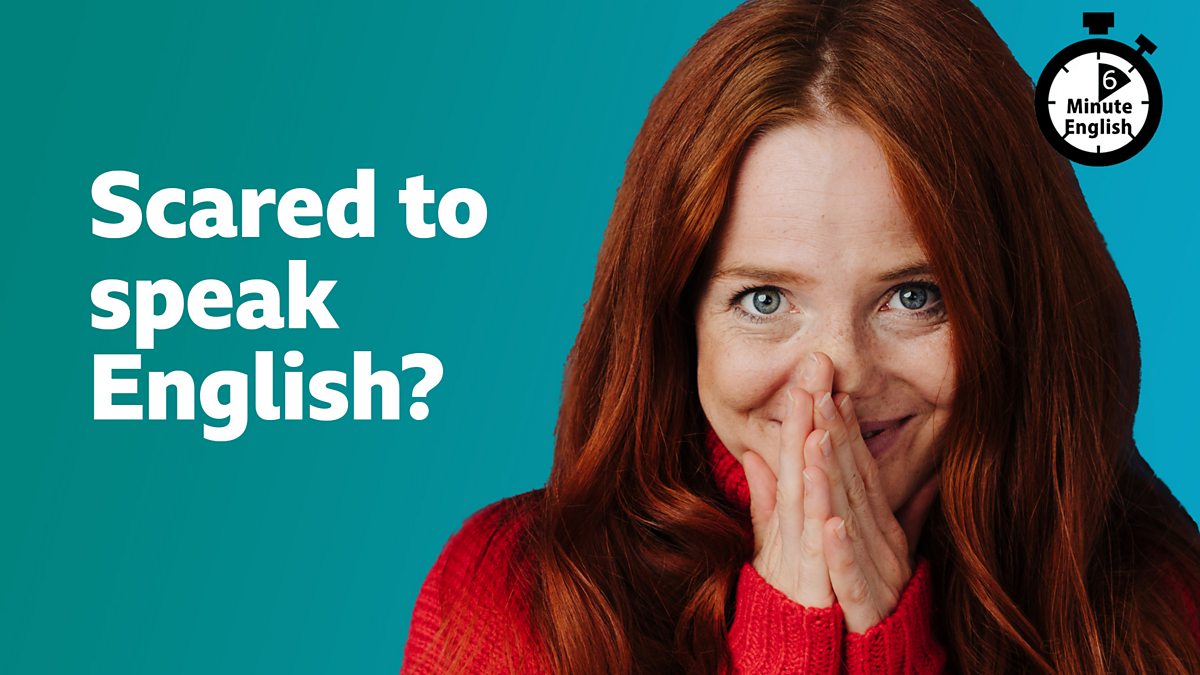
6 Minute English / Scared of speaking English?
Episode 260122 / 22 Jan 2026
Beth and Pippa talk about why we often find speaking a new language scary.
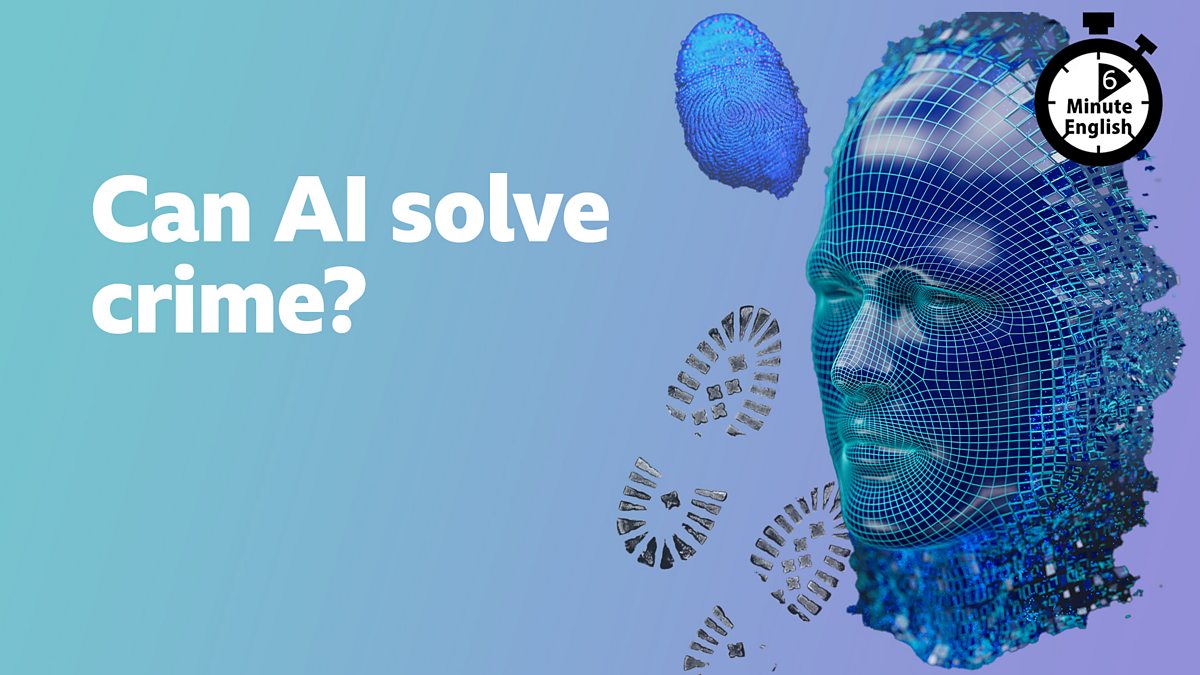
6 Minute English / Can AI solve crime?
Episode 250417 / 17 Apr 2025
Could artificial intelligence be used to solve a murder?
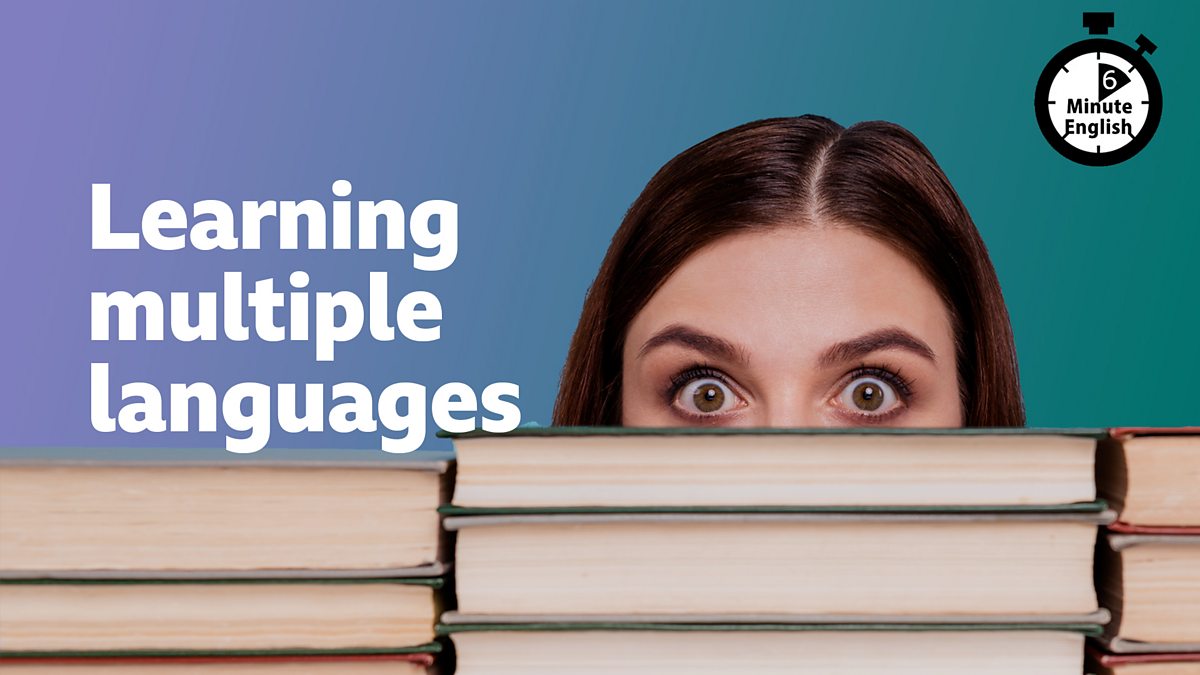
6 Minute English / Learning multiple languages
Episode 250410 / 10 Apr 2025
Is learning languages good for you?
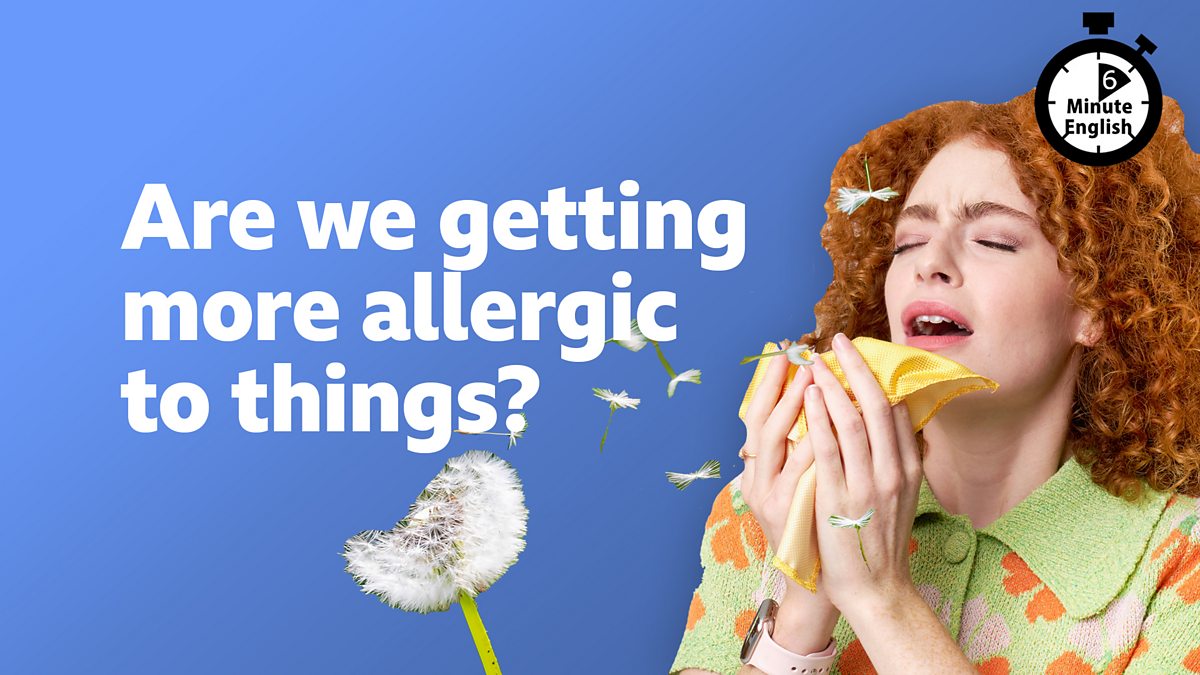
6 Minute English / Are we getting more allergic to things?
Episode 250403 / 03 Apr 2025
Do you know anyone who has 50+ allergies?
6 Minute English / The country that measures happiness
Episode 250306 / 06 Mar 2025
Is happiness the key to success?
6 Minute English / Becoming a musician
Episode 250130 / 30 Jan 2025
Hear about life as a professional musician

6 Minute English / Can apps teach you a language?
Episode 260910 / 10 Sep 2026
What's better for learning languages – an app or a class?

6 Minute English / Climate change and extreme weather
Episode 260903 / 03 Sep 2026
Every year we see damage, death and destruction caused by hurricanes, cyclones and typhoons - tropical storms. Is climate change making this impact worse?

6 Minute English / How do we describe smells?
Episode 260827 / 27 Aug 2026
What is your favourite smell?

6 Minute English / Sharing the road with driverless cars
Episode 260820 / 20 Aug 2026
Would you trust a robot to drive you around a city?