6 Minute English
medium level6 Minute English / Have you ever seen a whale?
Transcript
Note: This is a transcript of a spoken conversation and is not a word-for-word script.
Note: This is not a word-for-word transcript.
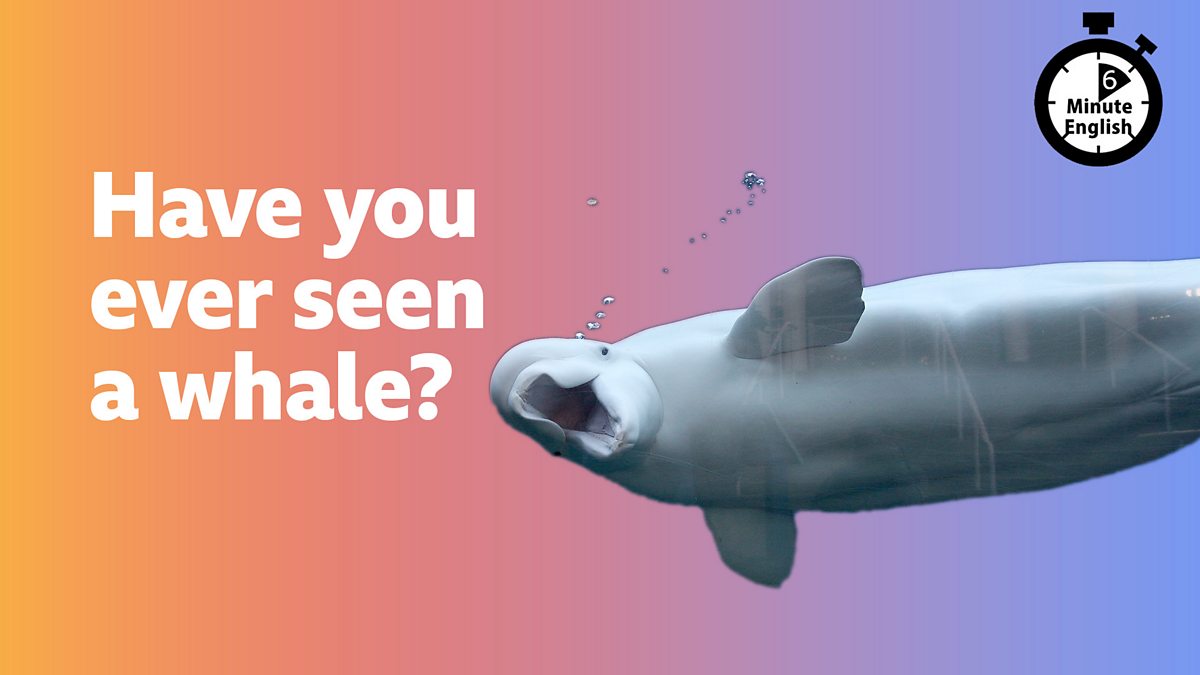
Hello, this is 6 Minute English from BBC Learning English. I'm Phil. GeorgieAnd I'm Georgie. PhilEncountering an animal in its natural habitat is a magical experience. Have you ever seen an animal in the wild, Georgie? GeorgieYes, I have actually. I was on a walk and we saw a baby badger. It was on its own and it was really cute. What about you, Phil? PhilOoh, the most impressive one I've ever seen is actually a whale. I was driving by the coast in Patagonia and you could see them in the sea. GeorgieWell, that sounds amazing. And funny you say that because whale watching has become popular in many coastal parts of the world. But watching whales is very different from what humans used to do to: hunt and kill them for their oil and meat an activity known as whaling. PhilLast year marked the 40th anniversary of the International Whaling Commission's global moratorium that's a temporary ban on the commercial killing of whales. Although Japan, Iceland and Norway continue to hunt whales, there's no doubt the ban has saved many whales species from extinction. In this programme, we'll discuss our past and present relationship with these giants of the ocean. And, as usual, we'll learn some useful new words and phrases too. GeorgiePlus, you'll find all the vocabulary for this episode, along with a quiz and worksheet, on our website: bbclearningenglish.com. PhilBut first, I have a question for you, Georgie. You probably know that the world's largest whale is the blue whale, growing up to 30m long, but which whale species is the smallest? Is it: a) the beluga whale,b) the vaquita whale, orc) the pygmy right whale? GeorgieHmm. Well, 'pygmy' makes me think small so I'm going to go with c) the pygmy right whale. PhilOK. We'll find out later in the programme. Humans have hunted whales for at least a thousand years, starting with small groups of hunters in slow-moving wooden boats. Catching whales like this was often unsuccessful, especially big whales like blue and humpback whales, which can swim up to 30km/hr. But all that changed in the late 1800s, as Jayne Pierce of the South Georgia Heritage Trust explained to BBC Radio 4 programme Rare Earth: Jayne PierceSomething happened in Norway in the late 1800s. A chap called Svend Foyn, who was a whaler he invented what we now know as the exploding harpoon. And that was a turning point for the whale. The whale couldn't stand a chance. GeorgieIn 1870, a chap that's an informal word for a man called Svend Foyn invented the exploding harpoon, a weapon for killing whales. This was a turning point. The phrase turning point means a time when a situation starts to change, especially in a positive way, although sadly not in this case. PhilAfter this, the whales didn't stand a chance, meaning they had no chance of successfully avoiding the hunters. Foyn's exploding harpoon, added to the invention of faster steam-powered boats, increased whaling massively throughout the 20th century, to the point where over three million whales had been killed and many species faced extinction. GeorgieBy the 1970s, there were only a few great whales left and environmental groups like Greenpeace started the Save the Whales campaign to make people aware of devastation in whale populations and the cruelty of whaling. It became popular to listen to the Song of the Whale, recordings of whales communicating at sea, which sound something like this: PhilHere's marine biologist Joe Roman, discussing the Save the Whales campaign with BBC Radio 4's Rare Earth: Joe RomanPeople started thinking about whales in different ways. And then we have to give a shout-out to activist groups like Greenpeace, who put their RIB boats they put their Zodiacs in between Soviet hunting vessels and sperm whales. And they were very good at media. GeorgieJoe gives a shout-out to Greenpeace activists for protecting whales. To give a shout-out to someone means to praise them in public. PhilVideos and photos taken by Greenpeace changed public opinion about whaling. Joe says Greenpeace were good at media, meaning they skilfully used media outlets like TV and newspapers to convey their message to the public. GeorgieMany whale species are still endangered and all whales still face danger from ocean acidification and plastic pollution. But the moratorium that means the temporary suspension on hunting them has lasted 40 years and hopefully will help protect whales for decades more. OK. Phil, isn't it time you revealed the answer to your question? PhilOK. I asked you which was the smallest species of whale. GeorgieAnd I said the pygmy right whale, didn't I?PhilYou did. Unfortunately, the answer is actually the vaquita whale, which is about 1.5m long. GeorgieOh, so cute! OK. Let's recap the rest of the vocabulary we've learned. A chap is an informal word for a man. PhilA turning point is when a situation starts to change, especially for the better. GeorgieIf someone doesn't stand a chance, they have no chance of success. PhilTo give a shout-out to someone means topublicly praise them. GeorgieAnd finally,if you're good at media, you are skilful at using media outlets to convey a message to the public. Once again, our six minutes are up but remember you can find worksheets, quizzes and loads more resources to improve your English on our website: bbclearningenglish.com. See you there soon but for now, it's goodbye! PhilBye!
Learn more about the environment in English.
Find an A-Z list of our programmes.
Try The Reading Room.
Beth and Neil talk about a strange emotion we can feel at Christmas called nostalgia
Would you know how to spot a Death Cap mushroom?
Could your next therapist be a horse?
Have you ever tried a crisp sandwich?
Do you follow politics on social media?
Now try this...
Practise your skills with more lessons from 6 Minute English.
Gratis selamanya · Akses penuh
Go to full course →This lesson includes:
- 🎧Audio lesson
- 📄Downloadable PDF
- 📝Full transcript
- ♾️Full access — free forever
Takeaways
Podcast
6 Minute EnglishLatest 6 Minute English
6 Minute English / Scared of speaking English?
Episode 260122 / 22 Jan 2026
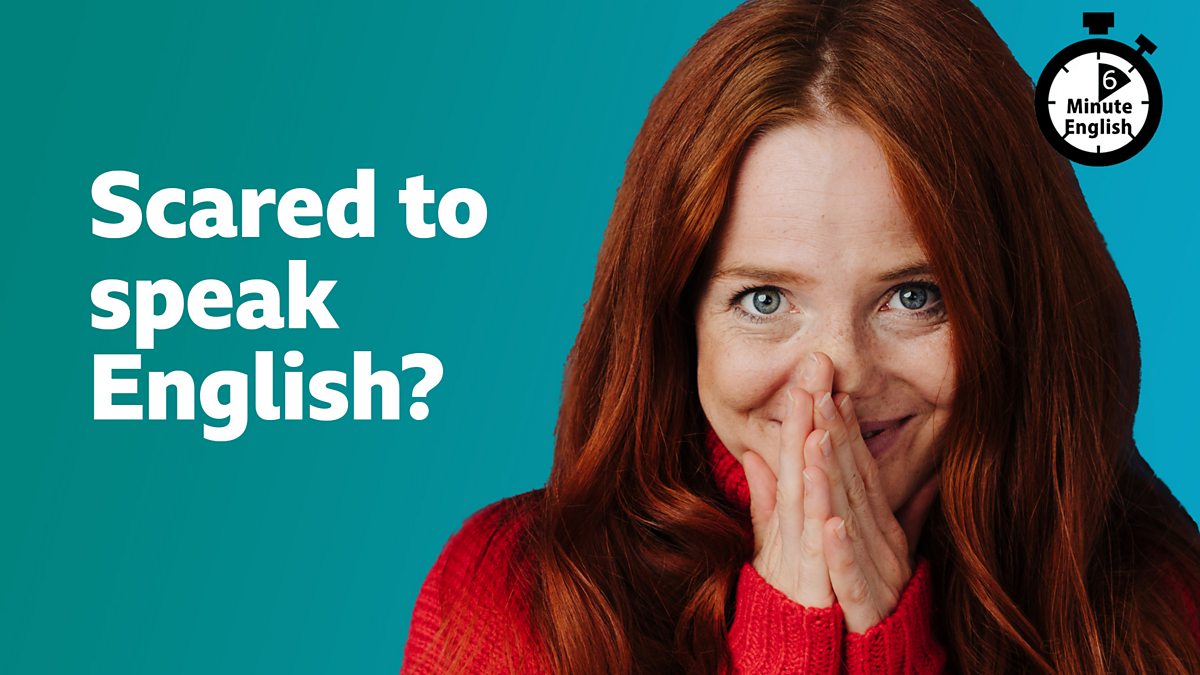
Beth and Pippa talk about why we often find speaking a new language scary.
6 Minute English / Can AI solve crime?
Episode 250417 / 17 Apr 2025
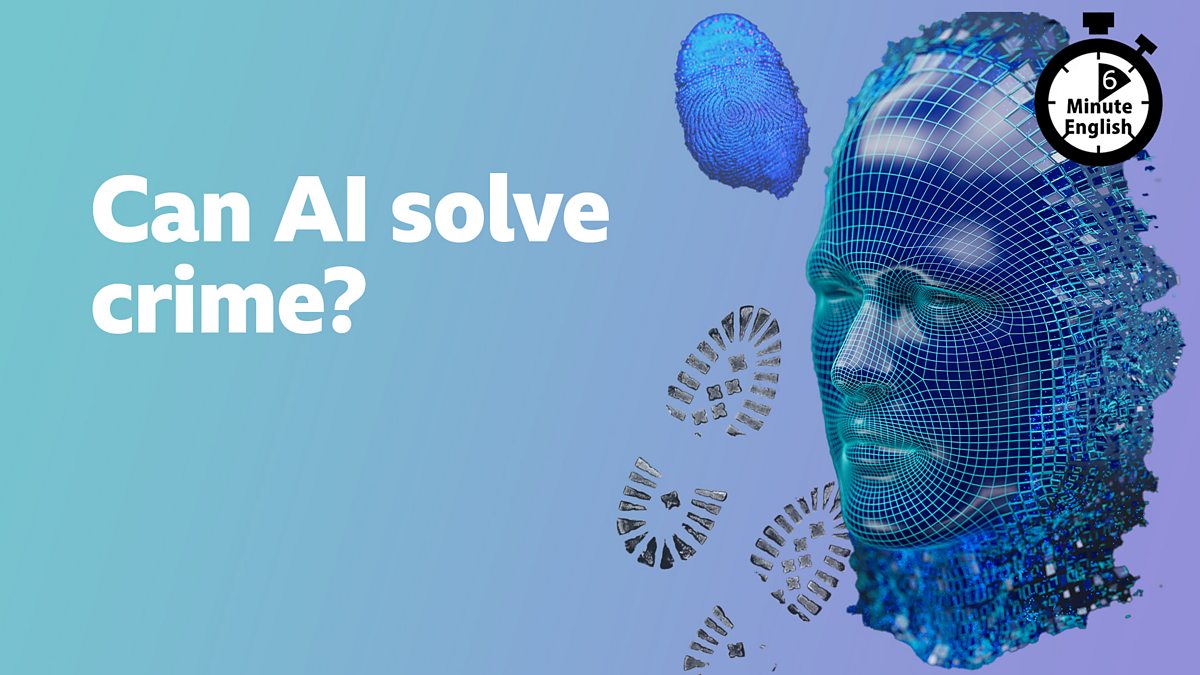
Could artificial intelligence be used to solve a murder?
6 Minute English / Learning multiple languages
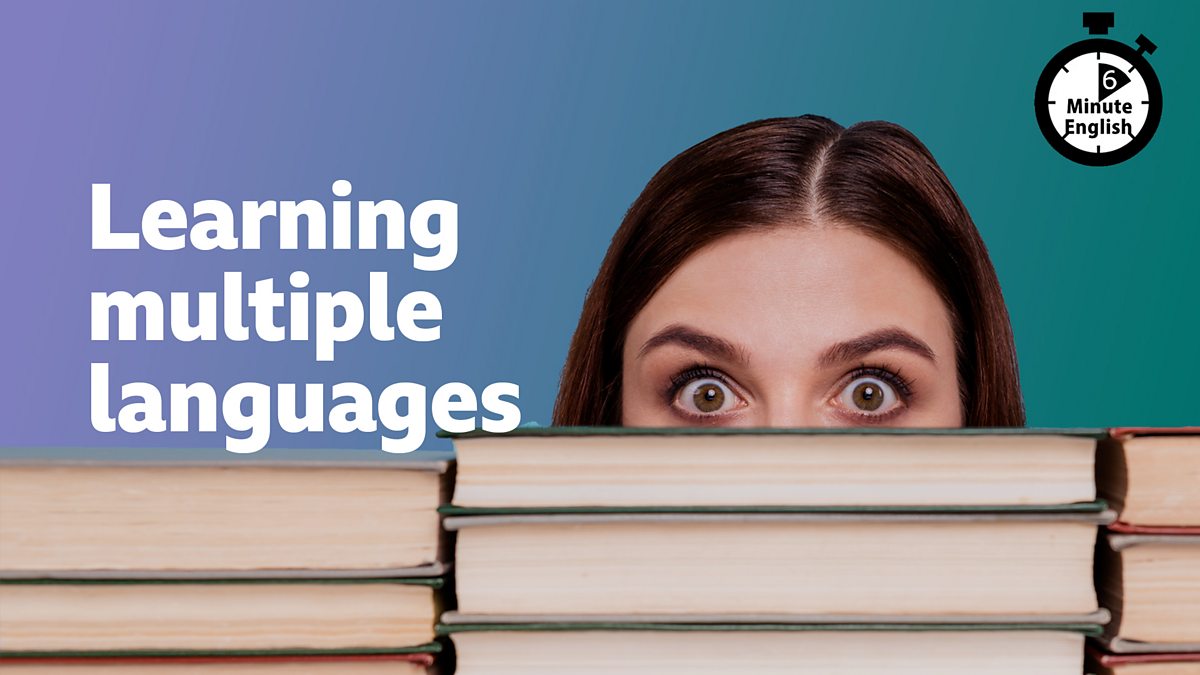
Episode 250410 / 10 Apr 2025
Is learning languages good for you?
6 Minute English / Are we getting more allergic to things?
Episode 250403 / 03 Apr 2025
Do you know anyone who has 50+ allergies?
6 Minute English / The country that measures happiness
Episode 250306 / 06 Mar 2025
Is happiness the key to success?
6 Minute English / Becoming a musician
Episode 250130 / 30 Jan 2025
Hear about life as a professional musician

6 Minute English / Is rejection good for us?
Episode 260917 / 17 Sep 2026
How do you feel about being rejected?

6 Minute English / Can apps teach you a language?
Episode 260910 / 10 Sep 2026
What's better for learning languages – an app or a class?

6 Minute English / Climate change and extreme weather
Episode 260903 / 03 Sep 2026
Every year we see damage, death and destruction caused by hurricanes, cyclones and typhoons - tropical storms. Is climate change making this impact worse?

6 Minute English / How do we describe smells?
Episode 260827 / 27 Aug 2026
What is your favourite smell?